
- Roof Maintenance
- Commercial Contractor
The 6 Best Commercial Roofing Materials For Every Industry
Choosing the right roof is critical for protecting a commercial property, ensuring...
- Historic Restoration
- Masonry
Beyond the Surface: Essential Facade Maintenance Tips to Protect Your Facility
Maintaining the exterior of commercial and industrial buildings is a crucial, often...
- Concrete Restoration
- Commercial Contractor
What Is Concrete Restoration? The Complete Guide to Concrete Restoration Projects
Concrete is one of the most widely used construction materials. Over time,...
Spring Roof Maintenance Guide: Protect Your Building After Winter
The temperatures are rising, which means spring is here, and with it, the perfect time to check on your roof. Seasonal transitions can take a toll on all roofing systems, especially after months of snow, ice, wind, and freezing temperatures.
Instituting a roof maintenance service agreement program can help property owners and facility managers prevent costly damage, extend roof lifespan, and ensure long-term performance.
This spring roof maintenance guide covers the importance of spring roof maintenance and outlines a comprehensive assessment to help you stay ahead of potential issues.
Importance of Spring Roof Maintenance
The first step in protecting your building is understanding the importance of spring roof maintenance. Since winter weather can cause damage that worsens over time if left unaddressed, a thorough roof inspection for spring helps you:
- Spot early signs of membrane failure
- Prevent water intrusion or mold development
- Comply with insurance or lease requirements
- Protect warranties that require routine upkeep
- Save on long-term costs by catching issues early
Whether you’re managing a single commercial facility or a whole campus, incorporating a roof preventative maintenance assessment into your seasonal routine is essential.
Spring Roof Cleaning Guide
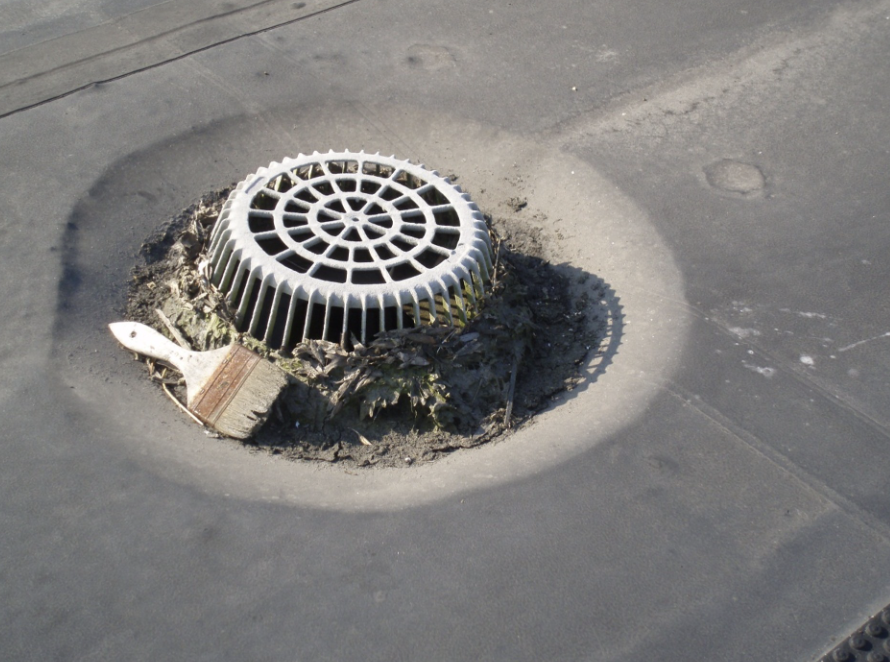
Before diving into inspections or repairs, preparing your roof for spring begins with cleaning. A proper spring roof cleaning ensures your roof is free from debris that can trap moisture and cause deterioration.
During winter, leaves, branches, and dirt accumulate across the roof surface. If not removed, this debris can hold moisture against the membrane, leading to material breakdown and structural issues.
Roof Maintenance Tasks for Spring Cleaning:
- Clear drains, scuppers, and gutters. Blocked drainage systems can cause ponding water, increasing the risk of leaks and structural stress.
- Remove debris from the roof surface. Pay close attention to low-lying areas and around mechanical equipment where debris tends to collect.
- Trim overhanging branches. Prevent future damage by eliminating the risk of falling limbs during storms.
- Remove loose materials and hardware. Even small items like screws or tools can puncture roofing membranes when stepped on.
Cleaning your roof before inspections not only makes it easier to spot damage but also ensures those involved remain safe throughout the process.
Your Complete Roof Maintenance Inspection for Spring
As we mentioned before, a detailed spring roof maintenance assessment is essential for identifying and addressing damage caused by winter conditions. Keep in mind, different roofing systems react differently to freeze-thaw cycles, snow loads, and temperature fluctuations, so it’s important to schedule your inspection accordingly.
1. Roof Membrane and Surface
After cleaning, inspect the roof surface thoroughly. This step is the key to any spring roof maintenance guide, as it helps ensure no damage goes unnoticed.
Rubber Roofing Systems (EPDM)
- Cracks or splitting from freeze-thaw cycles
- Shrinkage pulling away from edges, seams, or penetrations
- Open or failing seams
- Punctures or tears from ice, debris, or foot traffic
- Areas of bubbling or trapped moisture beneath the membrane
Built-Up Roofing (BUR) Systems
- Blistering or bubbling between layers
- Cracking patterns on the surface of the asphalt
- Loose or displaced gravel surfacing
- Soft spots indicating water infiltration
Modified Bitumen Roofing Systems
- Cracks or splits in the membrane
- Separation at lap joints
- Surface wear or loss of granules
- Blistering from trapped moisture
- Damage around penetrations or flashing
Metal Roofing Systems and Metal Paneling
- Loose or backed-out fasteners
- Seam separation due to thermal expansion
- Rust or corrosion, especially where coatings are compromised
- Dents or punctures from falling ice or debris
- Failed sealant at joints, seams, and penetrations
White Heat-Welded (Single-Ply) Systems
- Open or weakened seams
- Punctures or tears from debris or ice
- Shrinkage or pulling at edges and penetrations
- Surface cracking or brittleness in extreme cold climates
- Membrane discoloration or wear
2. Flashing, Seams, and Edges
Flashing and seams are among the most vulnerable areas of any roofing system. This makes them a priority in your spring roof maintenance guide. By addressing these issues early, you can reduce the risk of minor problems becoming costly repairs.
What to look for:
- Gaps, cracks, or tears in flashing materials
- Rust or corrosion on metal flashing or edge components
- Improperly sealed corners, joints, or roof-to-wall transitions
- Loose or lifting perimeter edges
- Backed-out or missing fasteners along edges and terminations
- Separation at seams caused by freeze-thaw movement
3. Penetrations and Equipment
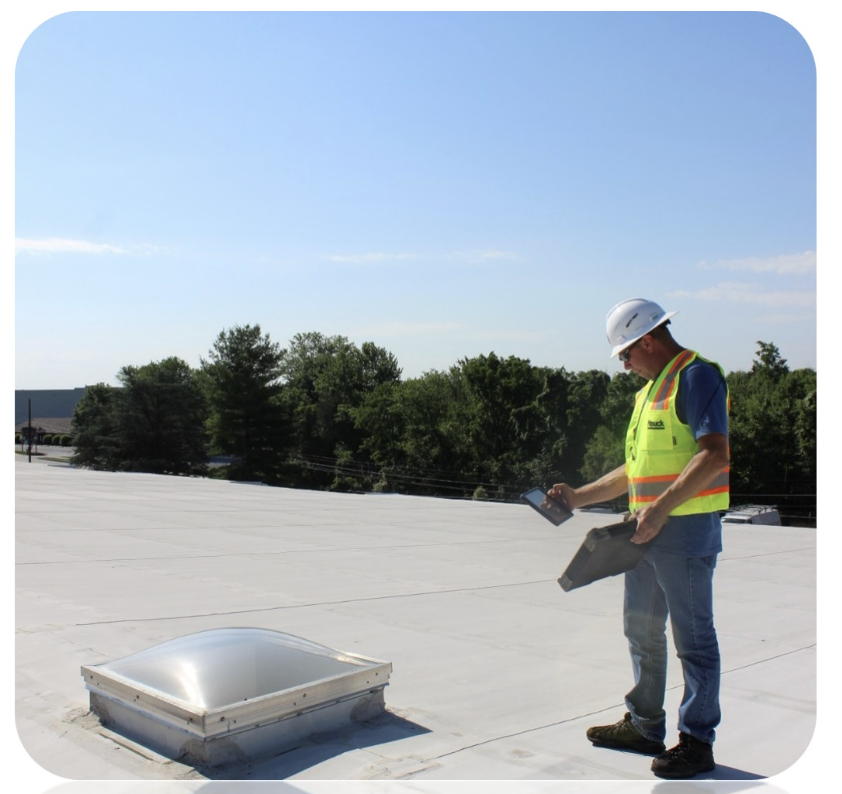
Roof penetrations, such as HVAC units, vents, and skylights, are common sources of leaks. Therefore, including these areas in your spring roof repair assessment is critical.
What to look for:
- Cracked, dried, or missing sealants around penetrations
- Water stains, discoloration, or soft spots near equipment bases
- Loose or unsecured equipment or supports
- Damaged or lifted flashing around curbs and penetrations
- Missing fasteners or displaced panels near mounted equipment
- Pools of oil, grease, or water from malfunctioning units can degrade roofing materials
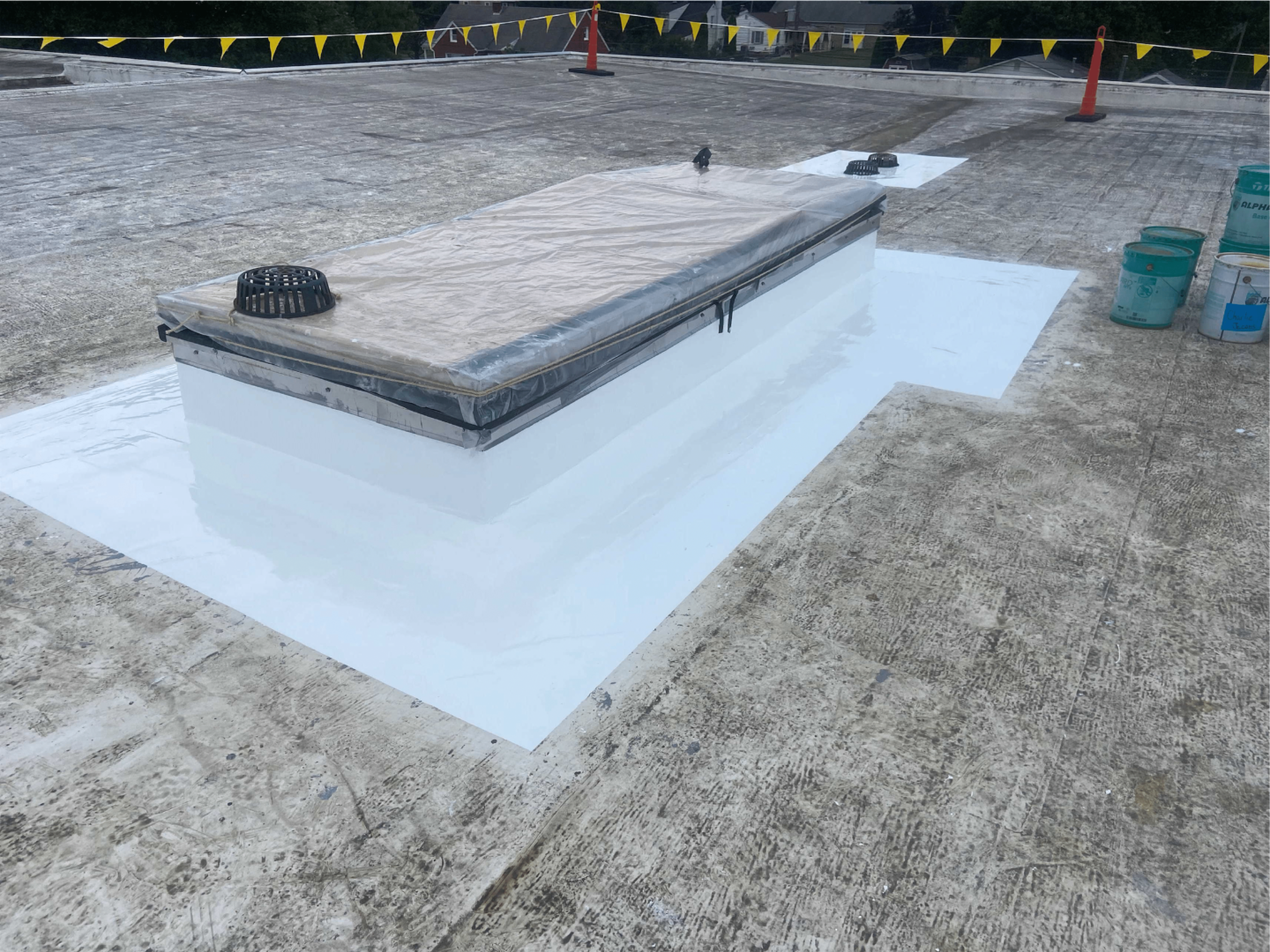
4. Gutters, Drains, and Scuppers
Drainage systems play a vital role in protecting your roof from water damage. This makes them a key factor of any spring roof maintenance guide. Keeping your gutters, drains, and scuppers clear helps reduce the risk of blockages that can cause leaks, ponding, and increased structural stress
What to look for:
- Leaves, debris, or sediment clogging drains or gutters
- Obstructions or buildup in scuppers restricting water flow
- Blocked or slow-moving downspouts
- Signs of overflow, including water streaking on walls or fасades
- Ponding water near drains, indicating improper drainage or slope issues
5. Old repairs
Oftentimes, repairs you’ve had in the past can be the weakest points on your roof. Make sure you take time to revisit any prior issues that you may have fixed throughout the winter or even last spring.
What to look for:
- Cracking, peeling, or deterioration of patch materials
- Separation between the repair areas and the original membrane
- Recurring damage in the same location
- Temporary fixes that may need a more permanent solution
- Differences in material performance
6. Building Interior
While not technically on the roof, checking the interior of your building can help identify exterior issues. Certain signs inside can indicate hidden damage. As a result, any spring roof maintenance guide should include interior inspections.
What to look for:
- Ceiling stains, discoloration, or sagging tiles
- Musty or damp odors in upper floors or near rooflines
- Visible mold or mildew on walls, ceilings, or insulation
- Active drips or water intrusion during or after rainfall
- Peeling paint or bubbling drywall near ceilings
Spring Roof Maintenance Safety Tips
Safety should always be a top priority when performing inspections or maintenance. Following these spring roof maintenance safety tips helps reduce risk and ensure compliance:
- Use proper fall protection equipment
- Avoid walking on wet or damaged surfaces
- Wear non-slip footwear
- Clearly mark hazardous areas
- Leave complex repairs to professionals
Remember, scheduling a professional roof inspection for spring is the safest and most effective approach.
Stay Ahead of Roof Repairs With a Proactive Approach
Ready to get your roof ready for spring? Contact our team today for all of your commercial roofing needs.