- Historic Restoration
- Masonry
Beyond the Surface: Essential Facade Maintenance Tips to Protect Your Facility
Maintaining the exterior of commercial and industrial buildings is a crucial, often...- Concrete Restoration
Do I Need Concrete Restoration Services?
Concrete is a strong, versatile material, but it’s not indestructible. Damage and...
- Roof Maintenance
- Commercial Contractor
The 6 Best Commercial Roofing Materials For Every Industry
Choosing the right roof is critical for protecting a commercial property, ensuring...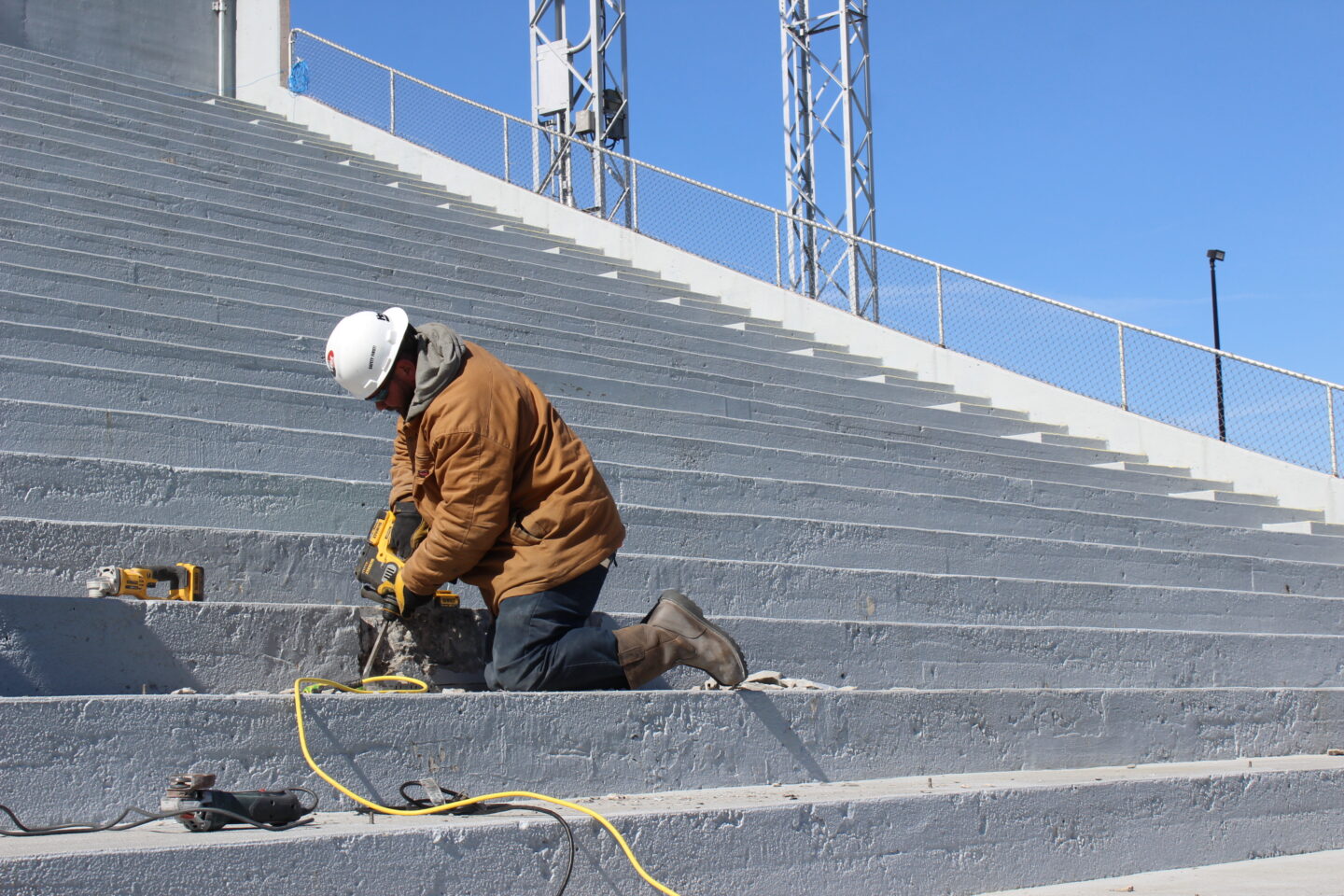
What Is Concrete Restoration? The Complete Guide to Concrete Restoration Projects
Concrete is one of the most widely used construction materials. Over time, however, concrete can deteriorate due to environmental factors, heavy loads, or poor construction practices. This is where concrete restoration comes in.
So, what is concrete restoration? Continue reading to learn more about concrete restoration projects and dive deeper into Houck’s process of restoring concrete structures.
What Is Concrete Restoration?
Simply put, concrete restoration is the process of repairing, renewing, and maintaining concrete structures to restore their strength, functionality, and appearance.
From addressing cracks and surface wear to resolving structural or environmental damage, concrete restoration plays a critical role in preserving buildings, infrastructure, and architectural features while maximizing long-term performance and cost efficiency.
Unlike simple patching, full concrete restoration aims to improve both functionality and appearance. This can include everything from repairing cracks to resurfacing entire flooring systems or reinforcing structural elements.
Most concrete restoration projects include one or more of the following key goals:
- Ensuring structural integrity with concrete structure repair.
- Enhancing aesthetics with concrete renewal and concrete resurfacing.
- Preventing further damage via ongoing concrete maintenance and concrete remediation.
Professional concrete restoration services combine expertise and advanced techniques to provide effective concrete repair and restoration, cement restoration, and concrete rehabilitation solutions.
Methods of Concrete Restoration
There are multiple concrete fixing methods used, depending on the severity and type of damage. These methods may include one of the following:
- Concrete resurfacing for worn or uneven surfaces.
- Concrete rehabilitation for structural deficiencies.
- Concrete remediation to address corrosion or chemical damage.
- Concrete restoration for localized patching and repairs.
- Concrete reconstruction for severely compromised areas.
Common Causes of Concrete Deterioration
Before exploring the concrete restoration process, it’s important to understand why concrete fails. Some of the most common causes of concrete deterioration include:
- Moisture intrusion and freeze-thaw cycles.
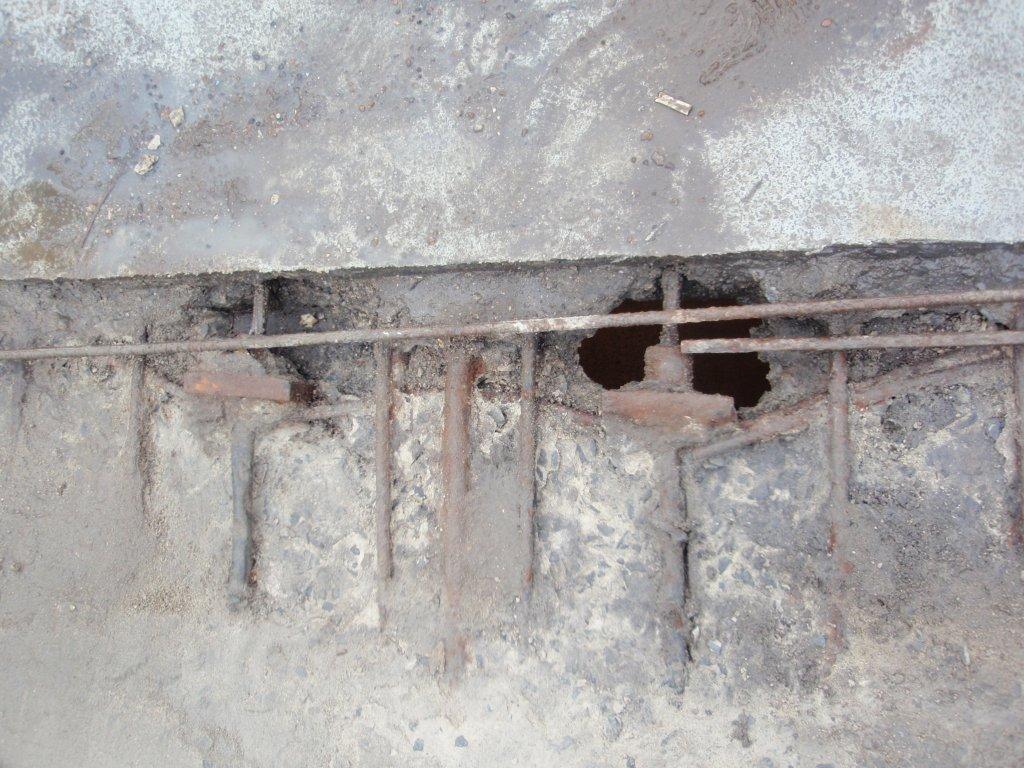
- Chemical exposure and corrosion of steel reinforcement.
- Heavy traffic loads and mechanical stress.
- Poor original installation or materials.
- Lack of routine concrete maintenance.
During regular maintenance inspections, keep an eye out for some of the common warning signs, including:
- Cracks and spalling.
- Surface wear and discoloration.
- Water infiltration and chemical damage.
Addressing these problems before they become larger issues can help avoid more extensive structural problems requiring costly concrete repair and restoration.
The Concrete Restoration Process
A successful restoration project follows a structured approach. While every project is unique, most concrete restoration services follow similar steps for concrete restoration:
1. Inspection and Assessment
Professionals evaluate the extent of damage, structural stability, and underlying causes. This stage often includes testing and documentation to guide concrete remediation strategies.
2. Surface Preparation
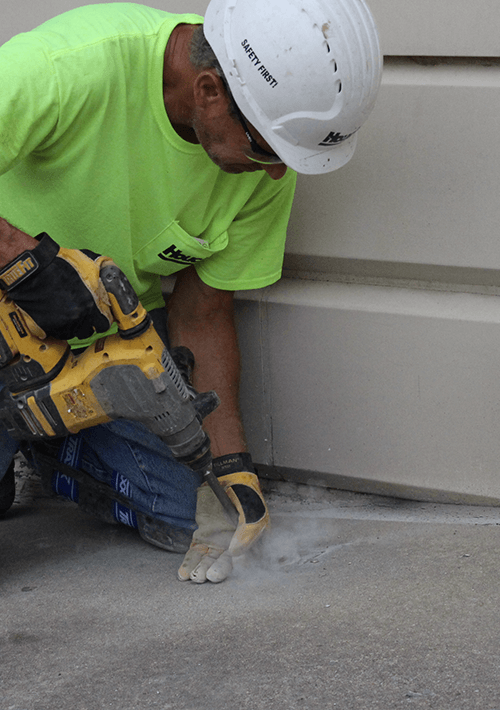
Damaged or weakened concrete is removed, and surfaces are cleaned to ensure proper bonding. This step is essential for effective concrete fixing.
3. Concrete Repair and Reinforcement
Using proven concrete repair techniques, cracks are filled, spalled areas are repaired, and reinforcement is treated or replaced as needed. This phase is often referred to as concrete structure repair.
4. Restoration and Resurfacing
Depending on project goals, concrete resurfacing, overlays, or specialized coatings may be applied. These methods of concrete restoration restore functionality and appearance.
5. Protection and Maintenance
Sealants, waterproofing systems, and maintenance plans help prevent future damage and support long-term concrete renewal.
Types of Concrete Restoration Projects
Concrete restoration projects can vary widely depending on the structure, environment, and severity of damage.
Understanding the different types of concrete restoration projects can help property owners choose the most effective solution and avoid unnecessary concrete reconstruction.
Structural Concrete Restoration
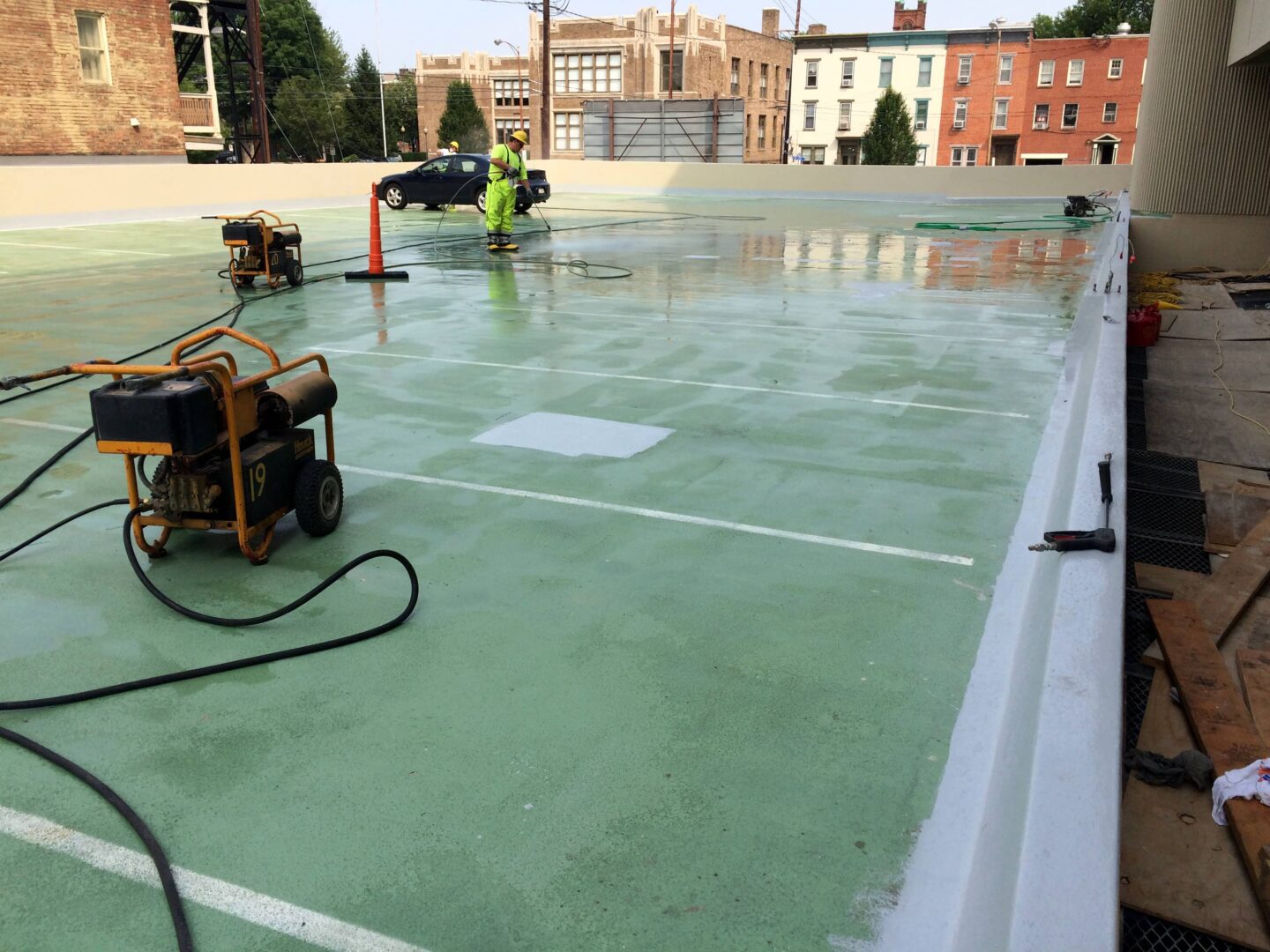
These projects focus on concrete structure repair for load-bearing elements such as columns, beams, foundations, and parking decks. Structural concrete rehabilitation often involves reinforcement repair, crack injection, and advanced concrete fixing methods to restore safety and integrity.
Surface-Level Concrete Restoration
Surface damage such as scaling, discoloration, or minor cracking is typically addressed through concrete resurfacing or concrete refurbishment. These projects improve appearance while also providing protective benefits that support long-term concrete maintenance.
Concrete Remediation Projects
Concrete remediation targets damage caused by corrosion, moisture intrusion, or chemical exposure. These projects often involve removing compromised material, treating reinforcement, and applying protective coatings as part of a comprehensive concrete restoration process.
Decorative and Architectural Restoration
For decorative or architectural concrete, concrete restoration and concrete renewal techniques are used to preserve design details while repairing wear and damage. These projects are common in historic buildings, facades, and public spaces.
Large-Scale Rehabilitation and Reconstruction
In cases of severe deterioration, restoration may include partial concrete reconstruction combined with modern concrete repair techniques. This approach restores functionality while maintaining as much of the original structure as possible.
Each type of project relies on proven methods of concrete restoration to ensure durability, performance, and long-term value.
How to Choose the Right Concrete Restoration Services
Selecting the right provider is just as important as understanding the concrete restoration process itself. Not all contractors offer the same level of expertise, quality of materials, or approach, and choosing the wrong partner can lead to recurring issues and increased costs.
Look for Specialized Experience
The best concrete restoration services contractors specialize in concrete repair and restoration —not general construction. Experienced providers understand concrete fixing techniques, structural behavior, and material compatibility, all of which are critical for achieving long-lasting results.
Evaluate Their Restoration Process
Reputable contractors follow a clear, documented concrete restoration process, including inspection, repair planning, execution, and ongoing concrete maintenance recommendations. Transparency at each step ensures the project is completed correctly.
Assess Techniques and Materials
Ask about the concrete repair techniques and materials being used. High-quality methods—such as epoxy injection, polymer-modified mortars, and protective coatings—are essential for effective concrete rehabilitation.
Prioritize Long-Term Solutions
The goal of concrete restoration should be concrete renewal, not temporary fixes. A qualified contractor will focus on restoring performance, preventing future damage, and reducing the need for repeated concrete fixing.
Check References and Past Projects
Review similar restoration projects and ask for references. Proven success across different types of concrete restoration projects demonstrates reliability and expertise.
Choosing the right concrete restoration services specialist ensures that your investment delivers durability, safety, and long-term performance—whether the project involves concrete remediation, resurfacing, or full structural restoration.
Popular Concrete Repair Techniques
Concrete repair and restoration experts rely on advanced materials and techniques to help extend the life, safety, and appearance of concrete structures. Some of the most common concrete repair techniques include:
- Protective coatings and sealers.
- Epoxy and polyurethane crack injection.
- Polymer-modified repair mortars.
- Carbon fiber reinforcement systems.
- Shotcrete and form-and-pour applications.
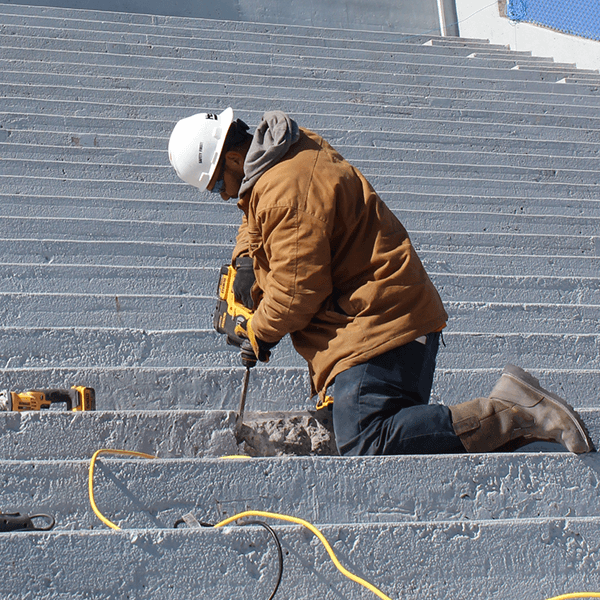
These concrete fixing techniques ensure repairs are durable, compatible with existing materials, and structurally sound. Whether it’s commercial or historical, professional concrete repair and restoration services provide effective solutions, from concrete resurfacing to full concrete rehabilitation.
Ready to extend the life of your concrete?
Protect your investment with professional concrete repair and restoration. Schedule an assessment today!